Featured
Table of Contents
Examples are AI-powered platforms like timely improvements based upon user habits and do the repeated tasks themselves, therefore releasing developers to focus on far more complex problems. Since as AI is integrated in the advancement process, developers need to be upgrading their abilities to be able to work as an entire with these brand-new tools.
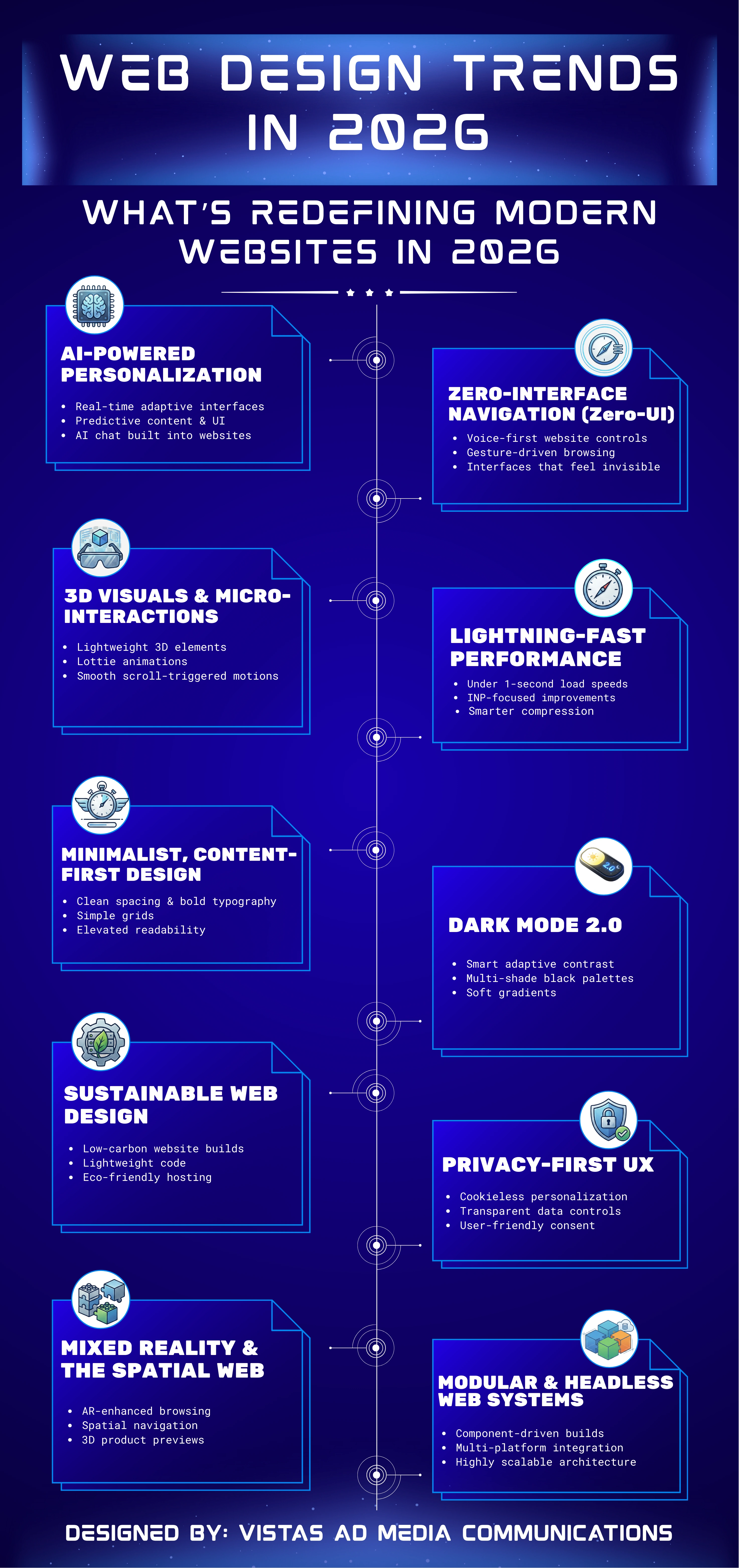
As AI is incorporated into the advancement process, relationship building is not being left behind. Developers need to adjust their skills to AI to allow their collaboration to evolve to a greater level which leads to continuous learning. These tools offer people who have very little coding knowledge the ability to create professional-looking web applications using their simple drag-and-drop interfaces.
Progressive Web Apps (PWAs) are changing the video game of interface, merging web and mobile applications. PWAs are similar to native apps in their performances such as offline use, push notifications, and really quick load times are extremely user-friendly supplied they might be used through a web browser. Given that the utilities of PWAs are more and more considerable from time to time, this innovation will be the deciding factor for front-end designers to protect the shipment smooth user experience on various gadgets.
Thus, designers ought to focus on instinctive interfaces that ease using these user interfaces making them ideal to the numerous needs of different users; the development of accessible websites and info for people with disabilities is the way to go. The acquisition of an extensive availability policy helps in more decision making by the producers elsewhere.
Native vs. PWA: What Local Retailers Required to KnowIn the procedure of constructing smaller independent services, teams can effectively innovate and get immediate take advantage of the applications they provide. This new direction brings more variability into the advancement stage and permits developers to get the taste of a new feature without including the whole application. The style trend that moves to the component-based style system is a noteworthy shift in user interface development.
How API-First Development Future-Proofs Enterprise Digital Growth
The arrangement of libraries like JavaScript can promote this sort of development (Eymer et al., 2017). Therefore, in 2025, building workers will need these versions of the libraries to guarantee efficient software advancement along with the follow-up of cross-applicability rules. The integration of Voice User Interfaces into web applications is getting more essential because of the advancement of voice-activated gadgets.
To enable voice interaction which is among the functions that improve ease of access and usability, the designers must acquaint themselves with voice acknowledgment APIs that are utilized for voice availability and design the interfaces. I developed my own called Designers are focusing on building environmentally friendly digital services as the international issue of contamination requires individual services for developers.
Establishing sustainable practices on the front-end like having actually big images optimized is assisting developers to contribute to the efforts of the world in regards to its sustainability in addition to to enhance application efficiency. Enhanced Truth is now sticking around in the web world as a special feature transferring to blending as an essential web application tool.
How API-First Architecture Optimizes Your Digital Growth
In setting trends, a developer might desire to consider dealing with tools such as and to incorporate AR aspects that improve the user experience and make the task interactive. Offered the quick modifications in innovation, constant learning will be central to the growth of front-end designers in 2025. Developers who are actively notified about what is trending, which structures and finest practices to accept get a considerable long lasting benefit in the industry.
Front-end advancement in 2025 foresees paradigmatic modifications that will be spurred by AI participation, no-code options, excellent UX, and sustainable development. Adopting the trends and updating their abilities constantly, the designers can create applications that are not just easy to use but also are resource-efficient and carbon neutral. It's quite clear that front-end development has actually carried on from simply writing code; it's everything about imagination and foresight to please all digital users regardless of the platforms.
Frontend advancement is changing quicker than ever. In between AI tools, new structures, and smarter architectures, developers need to progress to remain pertinent. Here's what's really trending in 2025from what's getting traction in Reddit threads and industry sources. AI isn't changing developersit's making them 10x more effective. Tools like and assist write elements, debug bugs, and create UI text.
Use Case: Develop React parts, tooltips, or animations using natural language. Usage Case: Blog sites, e-commerce, and content-heavy websites.
Usage Case: Large-scale apps with cross-team function shipment. CSS has grown: Utility-first frameworks like Atomic CSS develop tools (e.g., Panda CSS) Native CSS functions: nesting,: has(),: is(),: where() selectors (Reddit, Reddit) Usage Case: Clean, scalable stylesheets without CSS bloat. Beyond React and Vue, new gamers are rising: puts together at build-time for small package sizes.
Native vs. PWA: What Local Retailers Required to KnowComparing Headless vs Traditional CMS Solutions
provide framework-agnostic UIs through native HTML custom-made components (LinkedIn) Usage Case: Recyclable UI libraries and structures with very little client-side JS. When JS isn't enough: WASM runs languages like Rust, C++, or Go in the internet browser. Great for data-intensive jobs: video modifying, CAD-like UIs, 3D making (WeAreBrain, Medium) Usage Case: Web-based video games, imaging apps, immersive tools.
Subtle shifts, scroll-based results, and hover animations bring user interfaces to life. Tools consist of,, and CSS animations (LinkedIn, Medium). Usage Case: Feature highlights, dashboard feedback, onboarding circulations. Pattern Why It Matters Tools/ Examples AIAssisted Workflows Accelerate dev & decreases mistakes Copilot, ChatGPT, Stitch SSR/ SSG Direct SEO + fast UX, Jamstack & Micro Frontends Modular, scalable architecture Single-SPA, module federation Energy & Atomic CSS Constant, small CSS packages Tailwind, Panda CSS Emerging Structures Performance & simpleness Svelte,, Web Elements WebAssembly Near-native speed for heavy workloads Rust or Go in the internet browser Motion Design Engaging interfaces Framer Motion, GSAP, CSS Animations Frontend is no longer simply UIit's efficiency, accessibility, architecture, and yes, AI-powered workflows.
Which trend delights you the most? Or what have you already attempted? Drop a commentI 'd like to hear what tools or projects you're utilizing in reality!.
According to the Greek philosopher Heraclitus, modification is the only constant in life. His statement holds real in our personal lives, industries, and expert areas. The front-end advancement space, in particular, is no complete stranger to changes as new innovations, advancement trends, libraries, and structures keep emerging. Some current events that have actually changed how developers construct sites and web applications consist of the launch of Angular 17 with server-side rendering assistance, v14, and the increased adoption of TypeScript.

Latest Posts
Boosting Traffic With Modern Digital Optimization Tools
How API-First Design Benefits Scaling Systems
Analyzing Standard SEO Vs Modern AI Search Methods